
Sometimes a slight shift in perspective is all it takes to see something familiar in a totally new light. Rearrange things in your home – pictures, furniture, seating arrangements – and you might see them again as if for the first time. Look at a loved one after a long absence or an especially difficult trial, and you might see someone you didn’t really know before. Look at your younger self from the perspective of advancing years, and you’ll see yourself differently.
The more familiar things become, the less we see of them, and the more important it becomes to look at them from a fresh perspective. The same is true for our faith and for the scriptures that inform our faith, especially favorite passages we’ve lived with for years. The more we live with them as we grow and experience more dimensions of life, the more of their depth and richness we see, and the more possibilities for enriching our lives they reveal.
Take the story of Palm Sunday, for example (Mark 11:1-11; Matt. 21:1-11; Luke 19:28-40; John 12:12-19). It’s among our most familiar scriptures, we’ve heard it since we were young, it describes a dramatic and memorable procession, and it makes a great children’s pageant. It also begins one of our favorite story lines, one that keeps showing up in movies and books and short stories: an underdog hero rides into town, is met by a cheering crowd, is threatened by villains lurking in the shadows, suffers an ignominious defeat, and in the end rises unexpectedly triumphant – ta-da! It’s the stuff of a Hollywood classic.
But suppose we shift our perspective. Imagine for a moment that the Palm Sunday story is not about Jesus at all. Suppose it’s about you and me.
We tell the story of hero Jesus humbling himself and taking up his cross, but Jesus said, “If any want to become my followers, let them deny themselves [let them humble themselves] and take up their cross” (Luke 9:23). We love to tell the story of Jesus riding into Jerusalem, but Jesus said, “Whoever serves me must follow me, and where I am, there will my servant be also” (John 12:26). If we are to be disciples of Jesus authentically and not in name only, we will be where he was, follow the path he walked, go where he went, and take up our crosses as he took up his.
The story we read on Palm Sunday is about Jesus riding into Jerusalem to complete his witness to the gospel. But the story that counts, the one that will make a difference in our lives and in the world, is the one in which we ride into our own Jerusalem to complete our witness to the gospel.
When we commit ourselves to follow Jesus, we commit ourselves to going all the way to the heart of our own Jerusalem, the seat of religious and political power in our day, where the forces of light and darkness exist side by side, and where we offer ourselves for the healing of creation and the reconciliation of the human family.
Bandaging the wounds of those who suffer injustice is an essential ministry of Christians. Saint Paul wrote of our ministry of consolation for those in any difficulty (2 Cor. 1:3-7), and James wondered, “What good is it if you see someone in need and only wish them peace, without providing for their needs? Faith by itself, without works, is dead” (James 2:14-17 alt.). It’s a core ministry of the church to console others and offer practical help to those in need.
And there is more to our faith than that, much more. Before he was martyred by the Nazis, Dietrich Bonhoeffer wrote this about the ministry of Christians: “We can be Christians today in only two ways, through prayer and in doing justice among human beings. We are not to simply bandage the wounds of victims beneath the wheels of injustice, we are to drive a spoke into the wheel itself.” Bonhoeffer reiterates what the prophet Micah told us God requires of us: to do justice, and love kindness, and walk humbly with God (Micah 6:8).
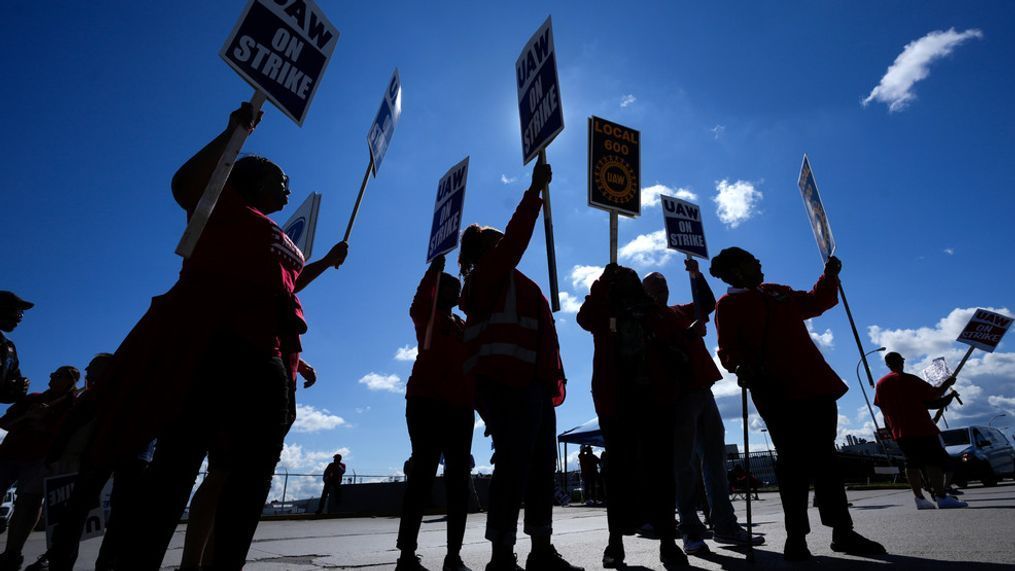
As Christians we are called to give ourselves to a life of prayer for the healing of creation, and to take our prayers to the streets and make them meaningful by confronting forces among us that work against God’s ministry of reconciliation. In other words, we are called to go to Jerusalem.
There was once a village built beside a river. In the rainy season, the river would swell and rage down the valley, sweeping away everything in its way, including people. When the villagers saw people being swept along in the flood, they would pull them out of the water and bandage their wounds, feed them, and nurse them back to health. If the people they pulled out were dead, they would give them a respectful burial in the village cemetery. It was their ministry.
One day a villager wondered why people were being swept away by the flood and went upstream to investigate, only to discover that a bridge across the river was badly damaged. People who tried to cross the flood fell in and were swept downstream. So the villagers got together and repaired the bridge. After that, no one fell into the flood.
As Christians we are called to share what we have with those in need, those swept away in the floods of injustice: to feed the hungry, clothe the naked, shelter the homeless, comfort the sick, and visit the prisoner (Matt. 25:31-46). We are also called to address the systems that cause our neighbors to be in need – to speak truth to power, as the saying goes – to confront the principalities and powers of this world with the healing power of the gospel. Palm Sunday becomes real and meaningful only when we go to Jerusalem to take up our cross to complete our witness to the gospel.


 The Sauntering Pilgrim
Leave a comment