
“How often I have desired to gather your children together as a hen gathers her brood under her wings, and you were not willing” (Luke 13:34)!
Traditionally during Lent, we share vicariously in Jesus’ forty days of being tested in the wilderness to see what he was made of and who he would be. But I believe the wilderness you and I experience is not an unknown land we’ve never explored. Rather, it’s familiar territory that only seems unfamiliar because our attention has for so long been turned away that we have forgotten its geography. Coming home to it, we’re led to remember what we’re made of and who we are.
All the great mythic seekers and adventurers – Gawain, Ulysses, Ishmael, the Mariner, the prodigal son, Dorothy – sought their fate and fortune beyond the safe turf where they had been living. And they discovered in the end, as Dorothy said, “that if I ever go looking for my heart’s desire again, I won’t look any further than my own backyard.” If the abundant life we seek is not found where we started, it will be found nowhere.
All those great seekers and adventurers discovered in the end what God had been trying to do all along: bring them home again and gather them under sheltering wings. And still today that’s what God does. “Because you are precious in my sight,” says God, “and honored, and I love you, I will bring your offspring from the east, and from the west I will gather you; I will say to the north, ‘Give them up,’ and to the south, ‘Do not withhold; bring my sons from far away and my daughters from the end of the earth” (Isa. 43:4-6).
“How often have I desired to gather your children together as a hen gathers her brood under her wings.”
Last week we had a problem with one of the boilers that warms our building, and when we arrived Wednesday morning, the office temperature was fifty-eight degrees. It wasn’t a serious problem – one of the igniters had failed to fire – and all it needed was to be cleaned of the oxidation that had slowly accumulated during its use. But the effect of the accumulating oxidation was suddenly and dramatically noticeable, and it demanded attention.
Lent is the season when we give special attention to the spiritual oxidation that accrues in daily living, that keeps us from living the abundant life Jesus offers – “more and better life than [we] ever dreamed of,” (John 10:10 The Message) – when we give attention not merely to living but to experiencing “the rapture of being alive” (Joseph Campbell). We recognize that our spiritual igniters are failing to fire, that our lives have grown at least a little cooler, and that some inner maintenance is needed if we are to live abundantly. We need to remember what we’re made of and who we are.
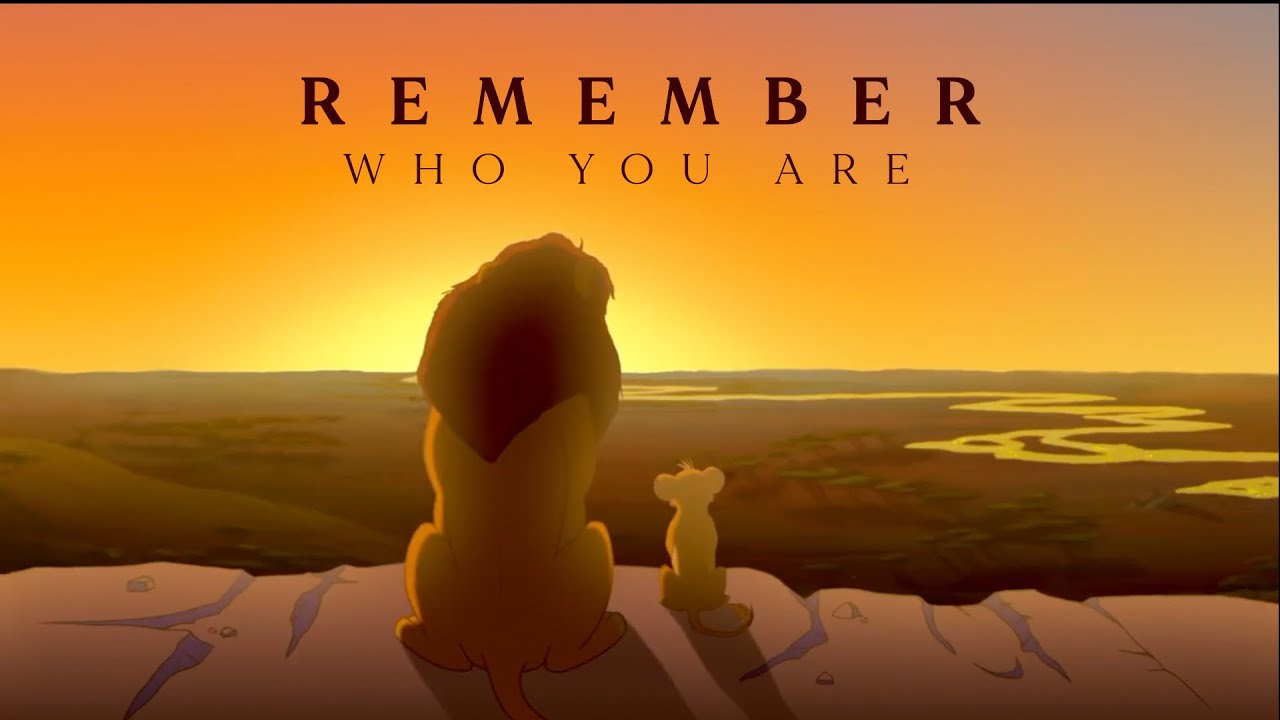
The 1994 Disney feature The Lion King tells the story of the lion cub Simba as he matures to return home and claim the throne of his late father Mufasa. As Simba is considering his future, Mufasa appears to him in a vision and says to him, “You have forgotten who you are, and so have forgotten me. Look inside yourself, Simba. You are more than what you have become.” Look inside yourself. You are more than you have become.
Living the abundant life Jesus offers, experiencing the rapture of being alive, is not a matter of discovering or creating a new and different life that we’ve never known; it’s a matter of uncovering and liberating the life we already have but from which we have wandered away. It’s about cleaning our spiritual igniters and remembering who we are, where our roots are sunk deeply, and why we are here. It’s a matter of allowing ourselves to be gathered to God, who yearns for us as deeply as we yearn for our source.
Here at Holy Trinity we’re using our Monday Morning Bible Study classes and our Thursday supper-and-study sessions to craft a statement of why we are here, one that reflects who we have been through the years, who we are today, and who we are becoming. We’ll continue working on that not only during Lent but through the months ahead as all of you have opportunities to help shape that statement.
Whether or not you choose to help say why we are here as a congregation, every one of you can say for yourself why you are here individually. So for the rest of this Lenten season, I invite you to live daily with the twin questions posed by Thomas Merton. What are you living for, in detail? And what do you think is keeping you from living fully for the thing you want to live for? Ponder them when you rise in the morning and before you retire at night, and let them shape you day between sunrise and sunset. Remember who you are and why you are here, and you will find the way into the abundant life that is already yours. ▪

 The Sauntering Pilgrim
Leave a comment